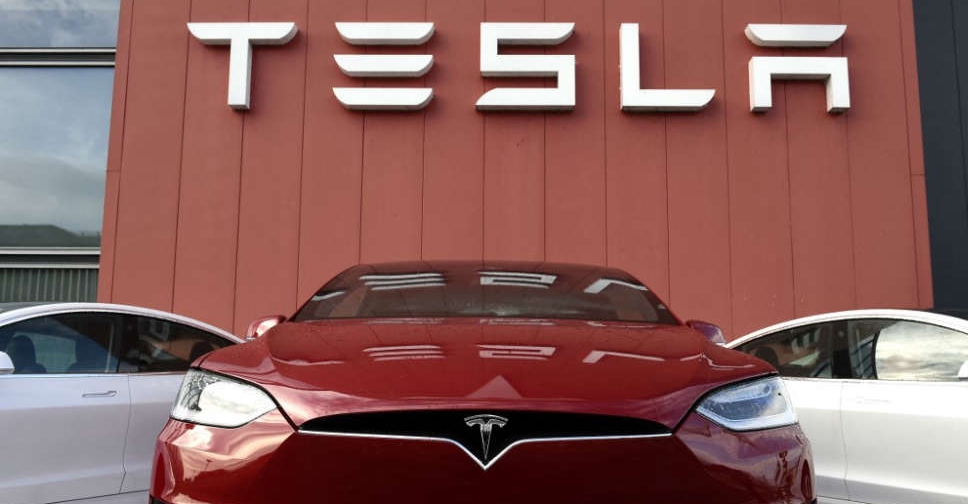
Tesla is recalling 1.85 million vehicles in the United States due to risk of software failure to detect an unlatched hood, the automaker said.
An unlatched hood could fully open and obstruct the driver's view, raising the risk of a crash, the National Highway Traffic Safety Administration (NHTSA) said.
In June, Tesla began rolling out an over-the-air software update to fix the issue, NHTSA said. The updated software detects an open hood and alerts drivers.
The recall affects 2021-2024 Model 3, Model S, Model X, and 2020-2024 Model Y vehicles. The vehicles, Tesla said, were equipped with a hood latch produced in China by Magna Closures Co Ltd.
The automaker said it began investigating customer complaints of unprompted hood opening instances in certain Model 3 and Model Y vehicles in China in March, and initiated a latch hardware recovery and in-service vehicle inspection.
While fewer such events occurred in Europe and North America, Tesla said it began engineering studies in the regions to inspect hood latch assemblies last month and decided to issue a recall earlier this month.
Tesla said it has three reports of the issue in the United States but no reports of crashes or injuries related to the recall.
The recall is Tesla's biggest since December when it recalled 2.03 million US vehicles - or nearly all of its cars on US roads at the time - to install new safeguards in its Autopilot system.
However, following reports of 20 crashes involving vehicles that had the new Autopilot update, NHTSA opened a probe, saying it had identified "several concerns" regarding the recall.
Tesla last week posted its worst quarterly profit margin in more than five years, underscoring the EV maker's struggle to revive auto sales amid a slowdown in demand.

 Parkin to manage smart parking at select Spinneys, Waitrose stores
 Meraas unveils expanded residential masterplan for Dubai Design District
 UAE takes over presidency of MENA financial action task force
 Dubai ranked world’s third most startup-friendly city in new global index
 OPEC+ keeps oil output steady following steep price drop in 2025