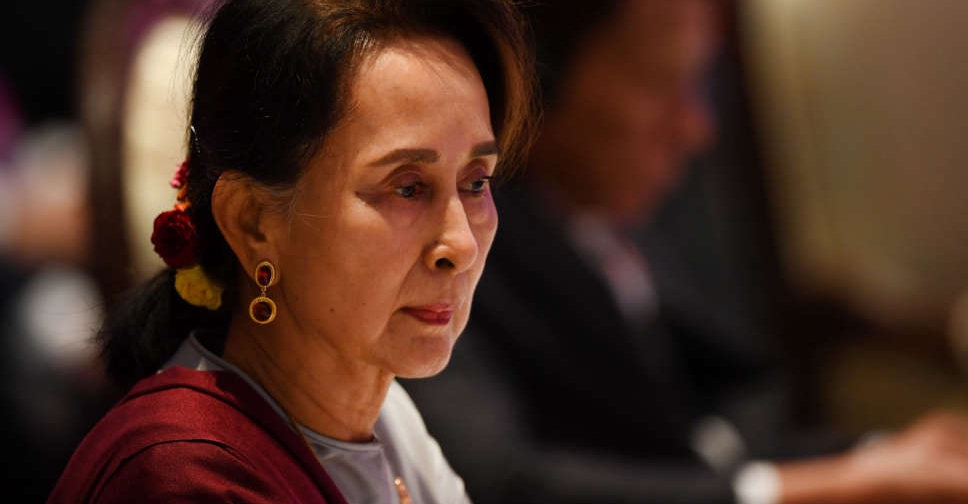
A court in military-ruled Myanmar on Wednesday sentenced deposed leader Aung San Suu Kyi to three years in prison on charges of accepting a bribe, a source with knowledge of the matter said.
The 77-year-old Nobel laureate, a figurehead of opposition to military rule, faces charges for at least 18 offences ranging from graft to election violations, carrying combined maximum terms of nearly 190 years.
Suu Kyi has called the accusations against her absurd and denied any wrongdoing. She is being held in solitary confinement in the capital, Naypyitaw, and her trials have been conducted in closed courts.
The latest charges were related to allegations Suu Kyi accepted bribes from a businessman, said the source, who declined to be identified due to the sensitivity of the issue.
Suu Kyi received three-year jail sentences on two charges, to be served concurrently.
Opponents of the military say the charges against Suu Kyi are aimed at blocking her from ever getting involved in politics again or trying to challenge the military's grip on power since last year's coup.
A junta spokesperson did not answer calls seeking comment on Wednesday. The junta insists Myanmar's courts are independent and those arrested are receiving due process.
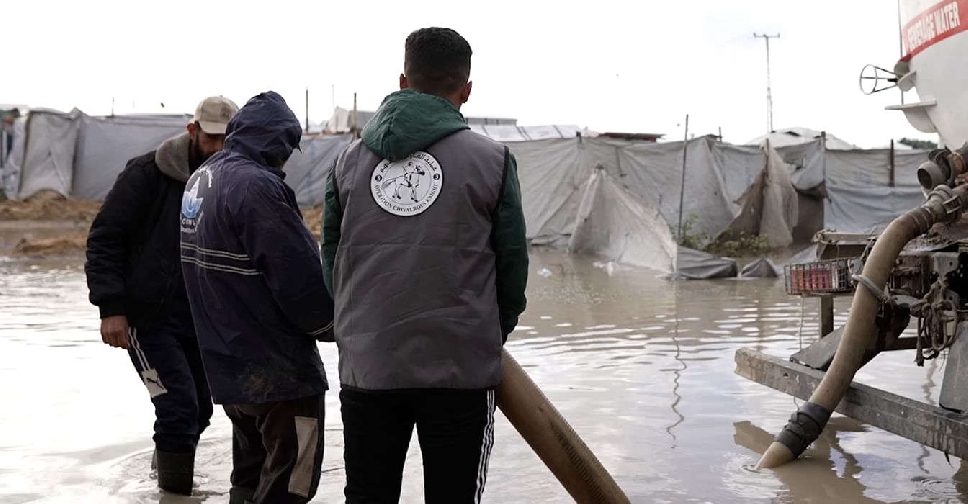
The United Nations and aid groups have warned on Wednesday that humanitarian operations in the Palestinian territories, particularly Gaza, were at risk of collapse if Israel does not lift impediments that include a "vague, arbitrary, and highly politicised" registration process.
The United States has approved $11.1 billion in arms sales to Taiwan on Wednesday, the largest ever US weapons package for the island which is under increasing military pressure from China.
President Donald Trump has expanded a list of countries subject to a full travel ban on Tuesday, prohibiting citizens from an additional seven countries, including passports from Syria and Palestine, from entering the United States.
The lower house of Indian parliament on Wednesday voted in favour of an atomic energy bill that will allow private participation in the country's nuclear power sector.
Doctors in England began a five-day strike on Wednesday over pay and working conditions during a surge in flu cases and with no end in sight to an increasingly bitter dispute with the government.


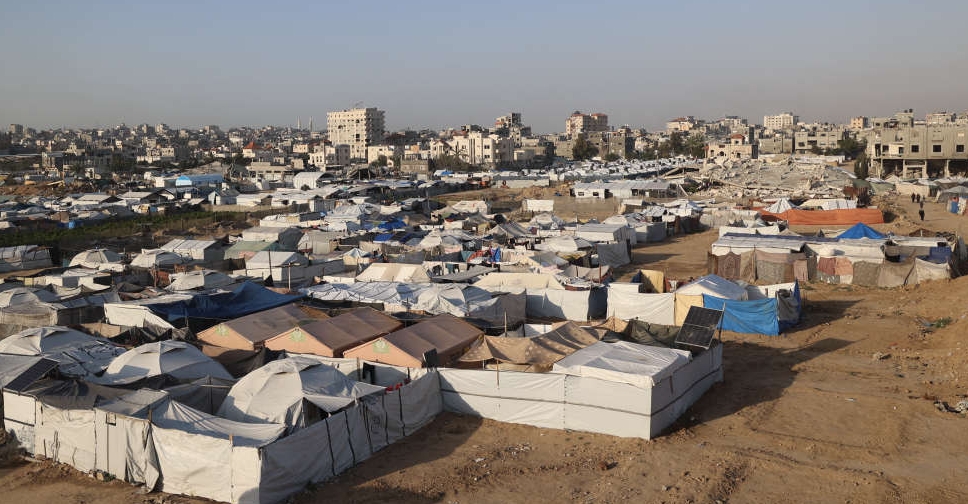 UN, aid groups warn Gaza operations at risk from Israel impediments
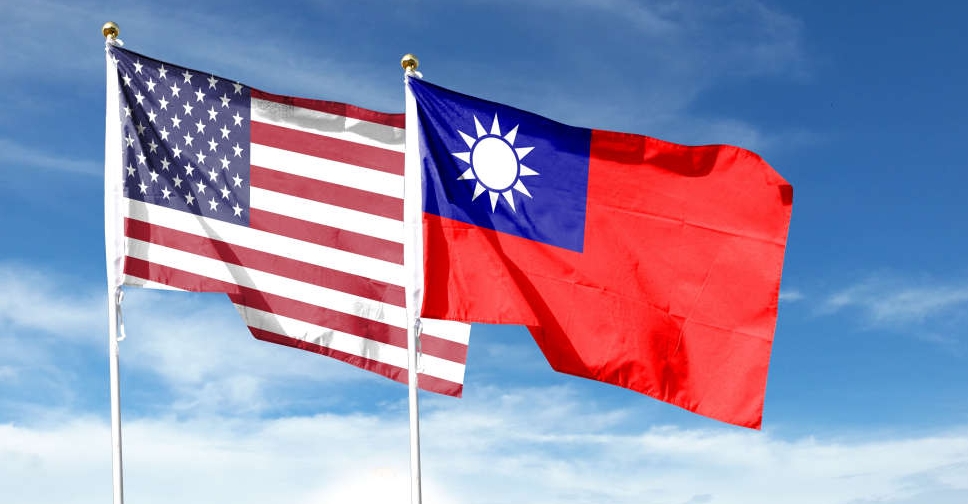 US approves $11.1 billion arms package for Taiwan, largest ever
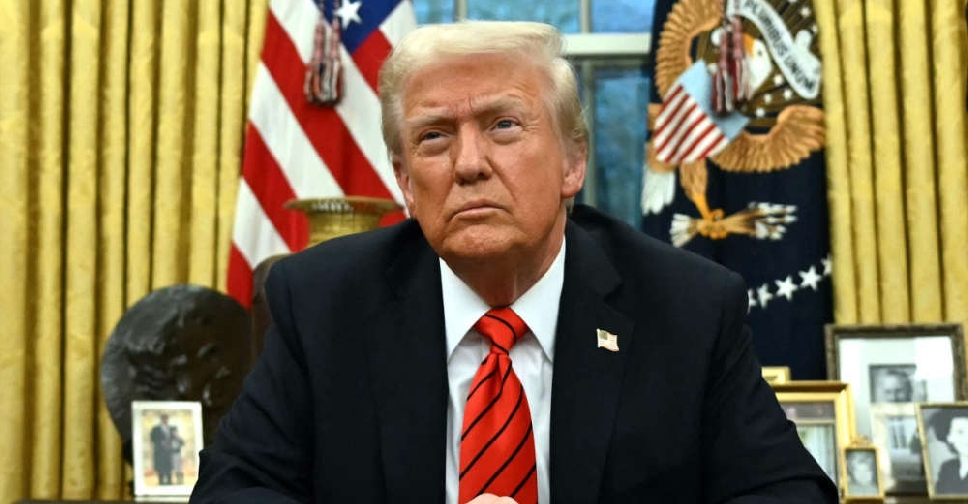 Trump adds seven countries to full travel ban list
 Indian parliament votes to allow private firms in nuclear power sector
 Doctors in England start five-day walkout during flu surge