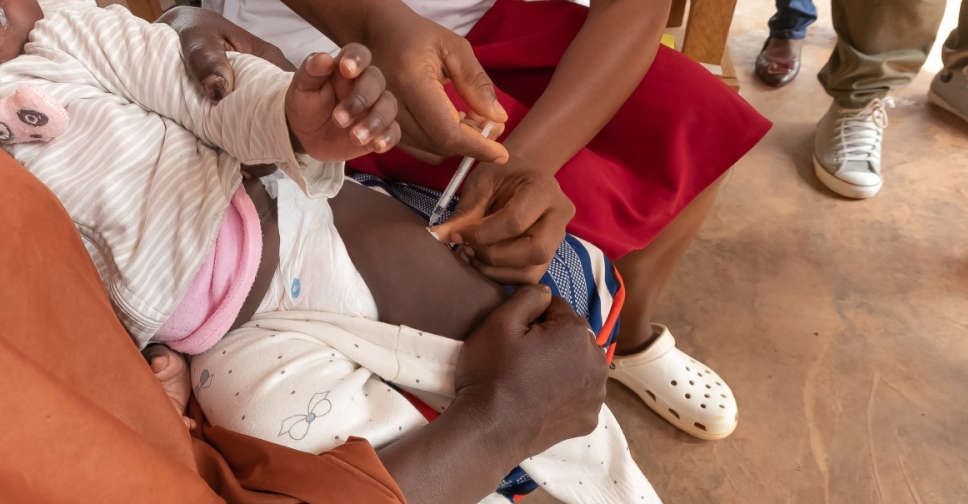
The global fight against malaria took a stride forward as Cameroon launched the world's first routine vaccine programme against the mosquito-borne disease.
Around 40 years in the making, the World Health Organisation (WHO)-approved RTS,S vaccine developed by British drugmaker GSK is meant to work alongside existing tools such as bed nets to combat malaria, which in Africa kills nearly half a million children under the age of five each year.
After successful trials, including in Ghana and Kenya, Cameroon is the first country to administer doses through a routine programme that 19 other countries aim to roll out this year, according to global vaccine alliance Gavi.
Around 6.6 million children in these countries are targeted for malaria vaccination through 2024-2025.
"For a long time, we have been waiting for a day like this," said Mohammed Abdulaziz of the Africa Centres for Disease Control and Prevention (CDC) at a joint online briefing with the WHO, Gavi and other organisations.
The urgency is clear. Disruptions linked to the COVID pandemic, rising insecticide resistance and other issues have hindered the fight against malaria in recent years with cases rising by around 5 million year-on-year in 2022, according to the WHO.
Overall, more than 30 countries on the continent have expressed interest in introducing the vaccine and fears of a supply squeeze have eased since a second vaccine completed a key regulatory step in December.
Rolling out the second vaccine "is expected to result in sufficient vaccine supply to meet the high demand and reach millions more children", the WHO's director of immunization, Kate O'Brien, said at the briefing.
This R21 vaccine, developed by the University of Oxford and the Serum Institute of India, could be launched in May or June, said Gavi's Chief Programme Officer, Aurelia Nguyen.
"Having two vaccines for malaria will help to close the huge gap between demand and supply and could save tens of thousands of young lives, especially in Africa," said Tedros Adhanom Ghebreyesus, Director-General of the WHO, at a meeting of the UN body's executive board on Monday.
Some experts have expressed scepticism about the potential impact of the vaccines, saying attention and funding should not be drawn away from the wider fight against the age-old killer and the use of established malaria-prevention tools like bed nets.


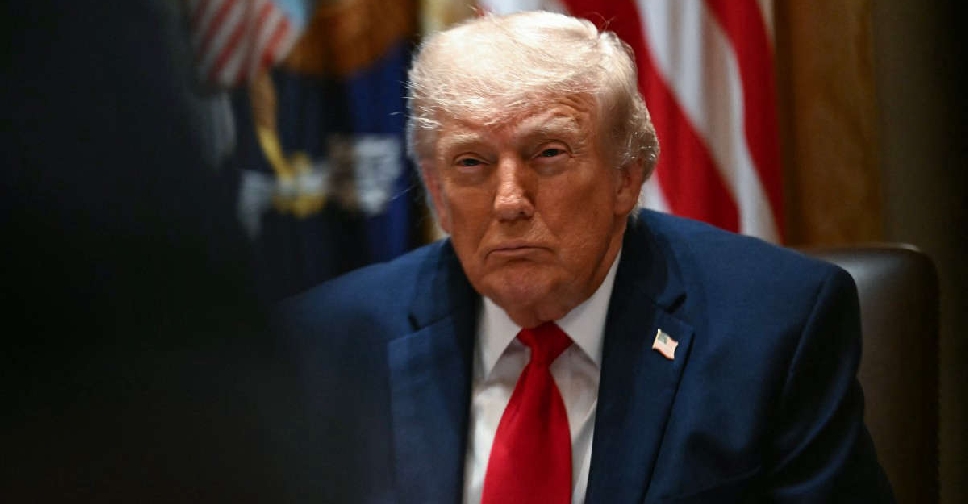 Trump set to make final decision on deal with Iran
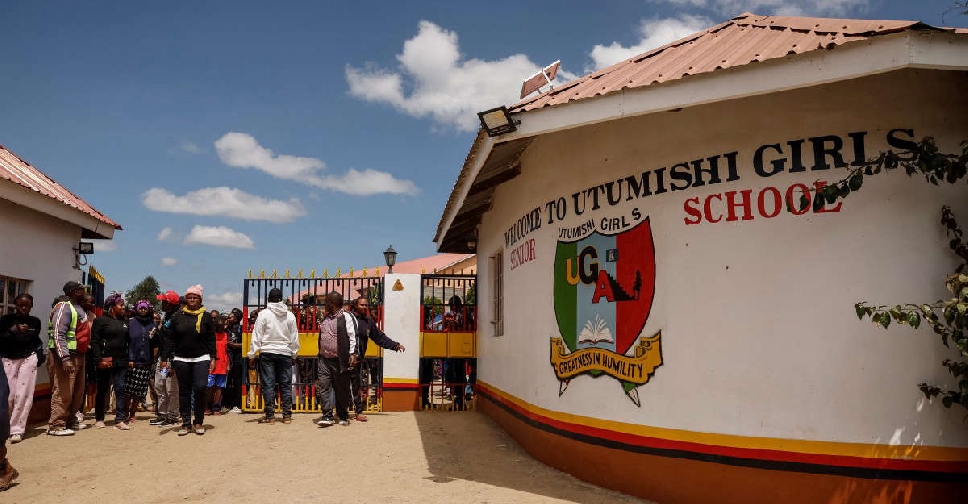 Eight students arrested over deadly school fire in Kenya
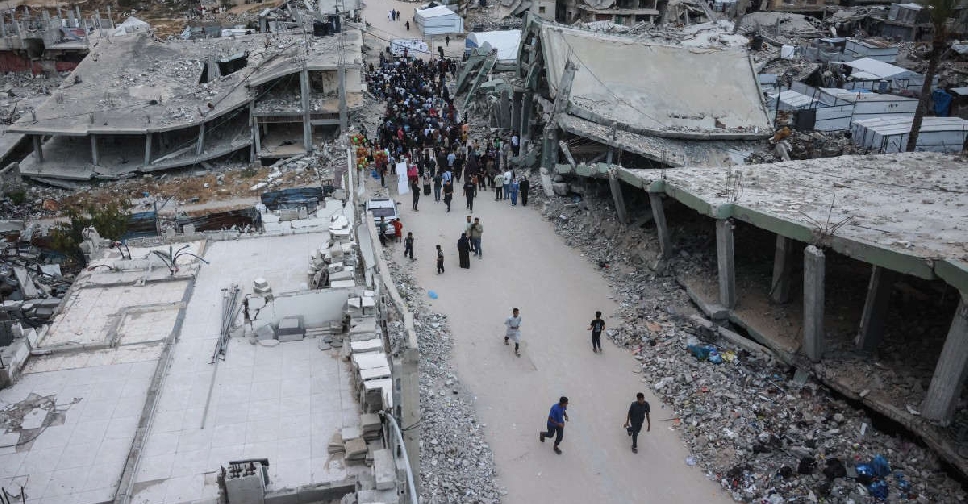 Israeli push to take more of Gaza raises alarm
 NATO member Romania says Russian drone hit apartment block
 Vance says US not there yet on agreement with Iran, but close