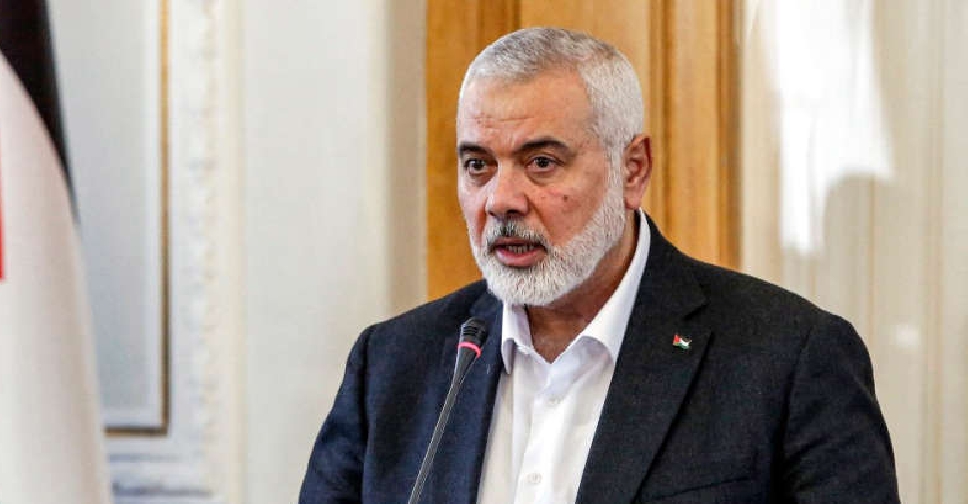
Hamas' response to the latest Gaza ceasefire proposal is consistent with the principles put forward in US President Joe Biden's plan, the group's Qatar-based leader Ismail Haniyeh said in a televised speech on the occasion of the Islamic Eid al-Adha.
"Hamas and the (Palestinian) groups are ready for a comprehensive deal which entails a ceasefire, withdrawal from the strip, the reconstruction of what was destroyed and a comprehensive swap deal," Haniyeh said, referring to the exchange of Israeli hostages for Palestinian prisoners.
On May 31, Biden laid out what he called a "three-phase" Israeli proposal that would include negotiations for a permanent ceasefire in Gaza as well as phased exchanges of Israeli hostages for Palestinian prisoners held in Israel.
Egypt and Qatar - which along with the United States have been mediating between Hamas and Israel - said on June 11 that they had received a response from the Palestinian groups to the US plan, without giving further details.
While Israel said Hamas rejected key elements of the US plan, a senior Hamas leader told Reuters that the changes the group requested were "not significant".

 Two Palestinian teens killed in West Bank raid by Israeli settlers, army
 Chinese students marooned in floods unleashed by Typhoon Saudel's rains
 Kuwait air defences deal with Iranian missile, drone attacks
 US and Iran exchange attacks as lull in war appears over
 Malta court clears businessman over murder of investigative journalist