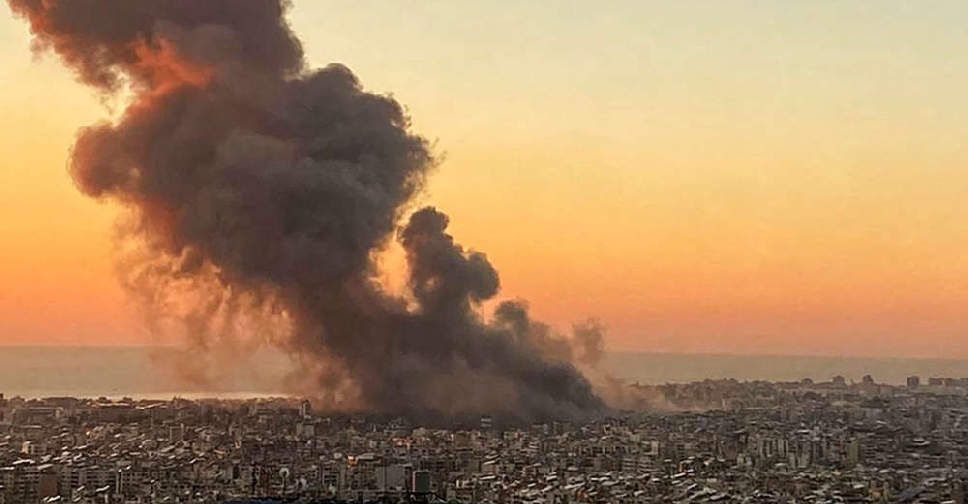
The Israeli military said it had targeted Hezbollah's central headquarters in Beirut's southern suburbs on Friday in an attack that shook the Lebanese capital and sent thick clouds of smoke over the city.
The news outlet Axios cited an Israeli source as saying Hezbollah leader Sayyed Hassan Nasrallah was the target of the strike and that the Israeli military was checking if he was hit.
Hezbollah's al-Manar television reported that four buildings were destroyed and there were many casualties in the multiple strikes, which marked a major escalation of Israel's conflict with the group.
The Israeli military said it had carried out a "precise strike" on Hezbollah's headquarters which it said were embedded under residential buildings.
Israel has struck the Hezbollah-controlled southern suburbs of Beirut, known as Dahiyeh, four times over the last week, killing at least three senior Hezbollah military commanders.
But Friday's attack was far more powerful, with multiple blasts shaking windows across the city, recalling Israeli airstrikes during the war it fought with Hezbollah in 2006.
The strikes hit Beirut shortly after Israeli Prime Minister Benjamin Netanyahu vowed to continue Israel's attacks on Iranian-backed fighters in Lebanon in a closely watched United Nations speech, as hopes faded for a ceasefire.
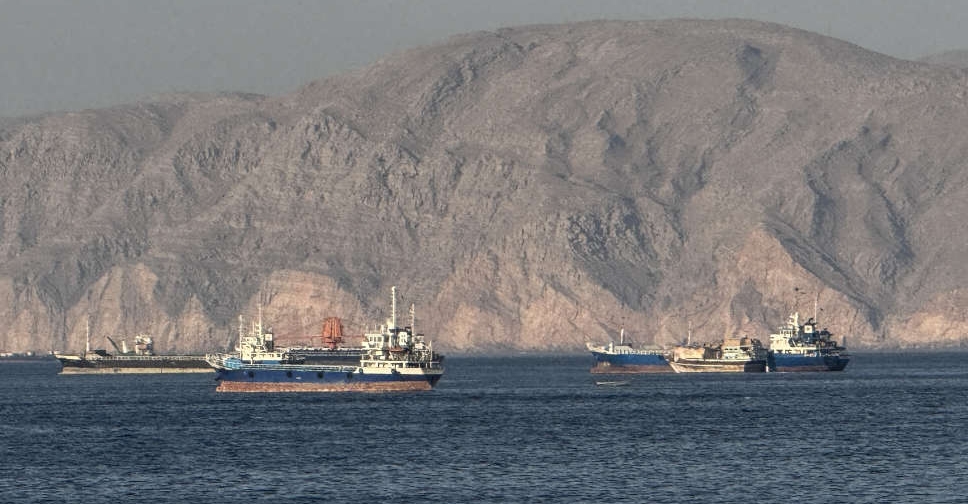
Iran and the US have continued their attacks in the Gulf as each accused the other of violating an increasingly precarious interim deal signed less than two weeks ago to end their four-month-old war.
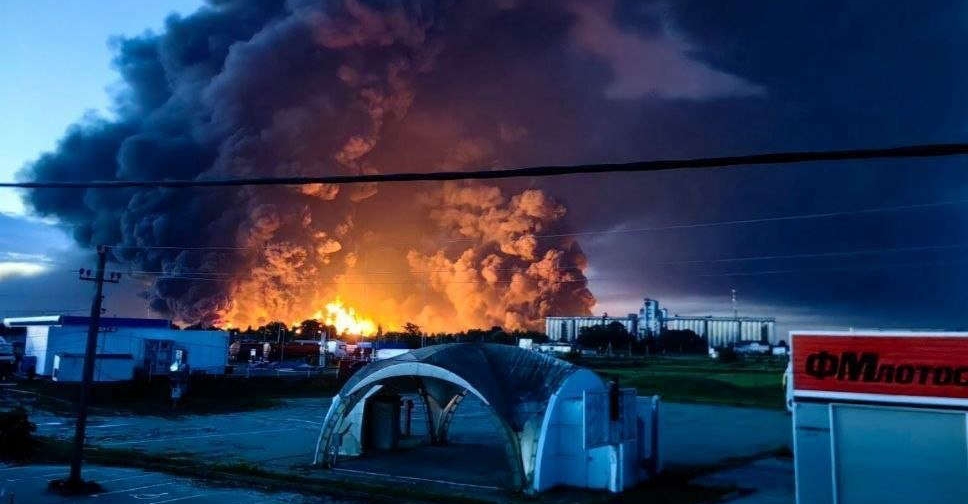
Ukraine hit two Russian oil refineries in the regions of Krasnodar and Yaroslavl overnight, President Volodymyr Zelenskiy said on Sunday, as Kyiv ramps up pressure on Russia's fuel supply with its drone fleet.
Australia said on Saturday it would double the maximum penalty it can impose on tech firms found to have failed to uphold a ground-breaking social media ban for children, as evidence mounts that the ban has had little effect on teen use.
A strong earthquake struck Afghanistan's Hindu Kush region on Saturday, the European Mediterranean Seismological Centre said, sending out tremors that could be felt from the capital Kabul across the border into neighbouring Pakistan.
Serbia's populist president Aleksandar Vucic, under pressure after months of anti-government protests, said on Saturday he will resign within weeks and the country will hold early presidential and parliamentary elections.

 Iran, US continue escalating attacks, recriminations over peace deal
 Ukraine hits two Russian oil refineries overnight
 Australia toughens kids' social media ban
 Strong earthquake hits Hindu Kush, shaking Afghanistan and Pakistan
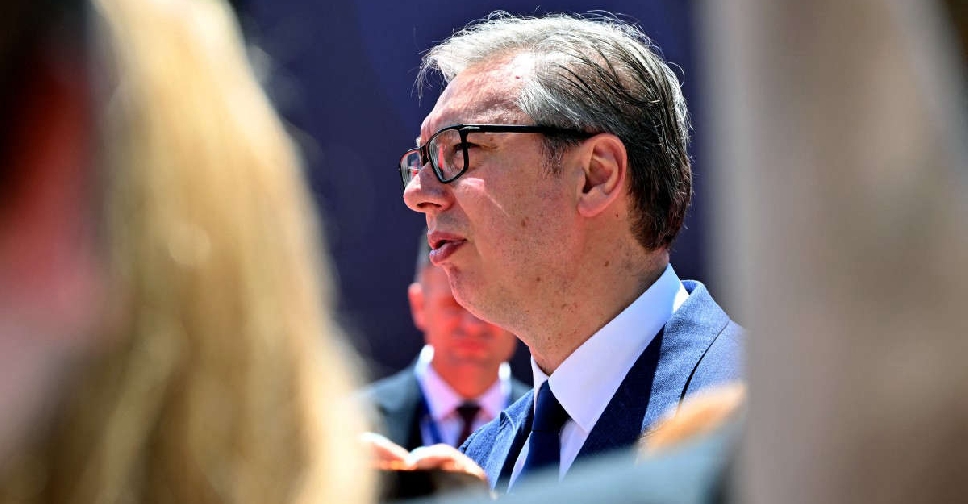 Serbian President Vucic says he will resign within weeks