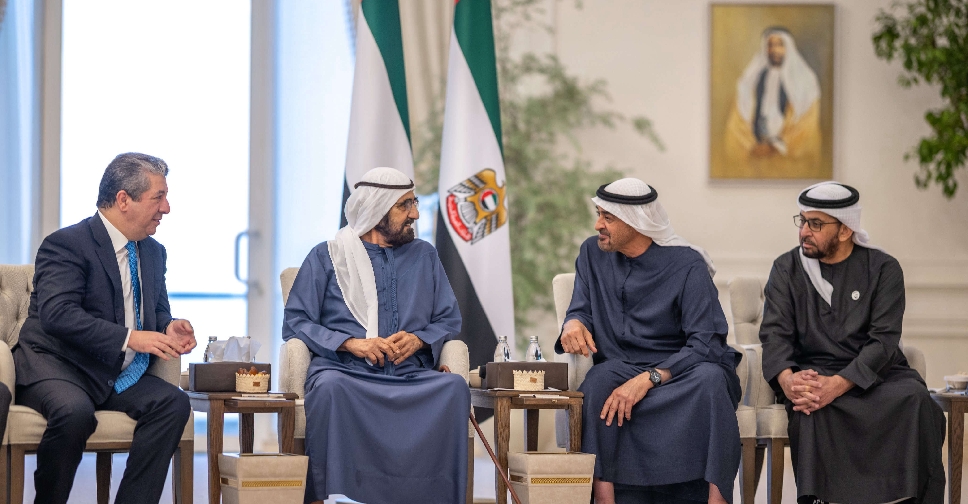
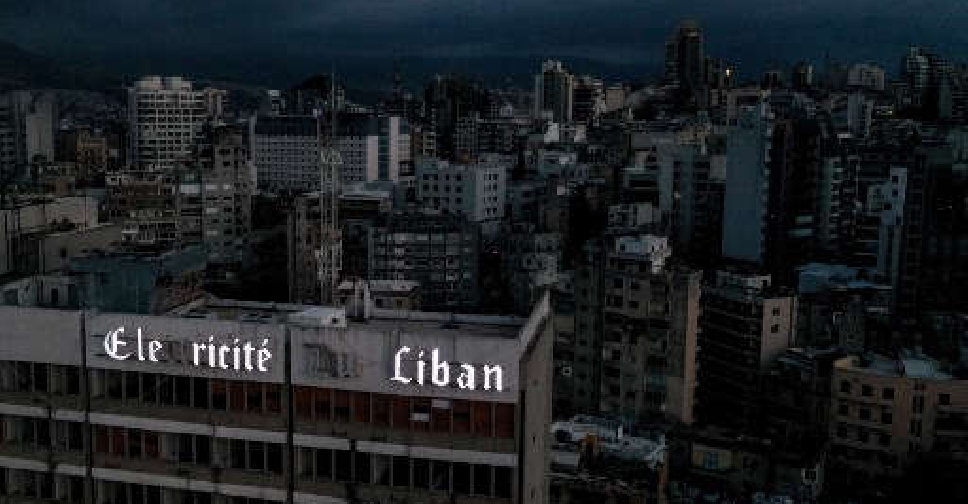
Lebanon's two biggest power stations shut down due to a fuel shortage on Friday, and the country has no centrally generated electricity.
A government official told Reuters on Saturday.
"The Lebanese power network completely stopped working at noon today, and it is unlikely that it will work until next Monday, or for several days," the official said.
The thermoelectric plant has stopped at the Zahrani power station after the Deir Ammar plant stopped on Friday due to a fuel shortage.
The official said the state electricity company would try to use the army's fuel oil reserve to operate the power plants temporarily, but that would not happen anytime soon.
Many Lebanese normally rely on private generators run on diesel, although that is in short supply.
Lebanon has been paralysed by an economic crisis, which has deepened as supplies of imported fuel have dried up. The Lebanese currency has sunk by 90% since 2019.
The US and Iran found themselves back on a war footing on Wednesday after the most significant exchange of fire in weeks, with Washington threatening more devastating strikes.
Kuwait’s fire service said crews extinguished a blaze at a residential complex in the capital early on Wednesday after it was struck by an Iranian drone, causing no injuries.
Hopes of finding more survivors among the thousands still missing in Nepal were fading, authorities said on Wednesday, a week after a glacier collapse in the Himalayas unleashed flash floods that devastated the mountainous nation.
Tyler Robinson, the man accused of fatally shooting prominent US conservative activist Charlie Kirk on a Utah college campus, pleaded not guilty at a hearing on Tuesday to a murder charge that a judge ruled could carry the death penalty.
The death toll from Nepal's devastating floods surpassed 1,000 on Tuesday as rescuers deployed heavy machinery, helicopters and excavators to reach thousands still missing nearly a week after the Himalayan disaster tore through towns and valleys.


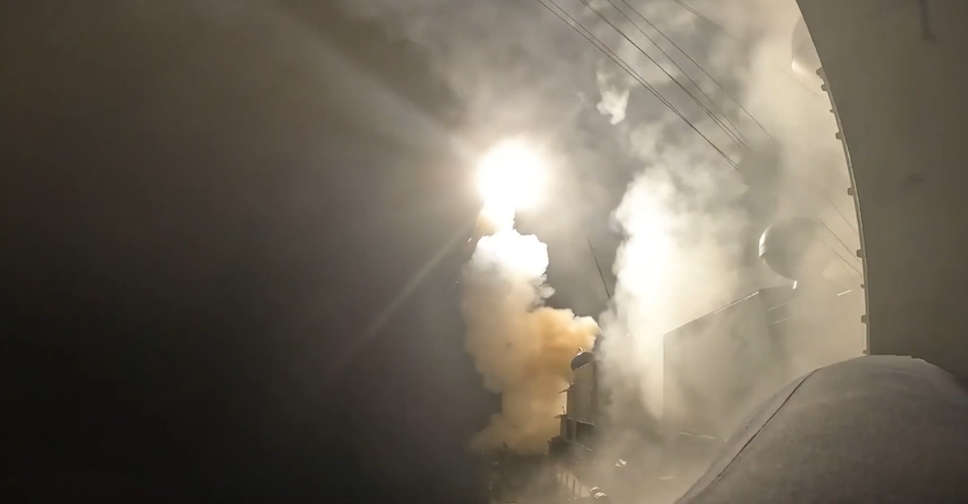 US and Iran exchange attacks as lull in war appears over
 Kuwait confirms no injuries after Iranian drone hits residential complex
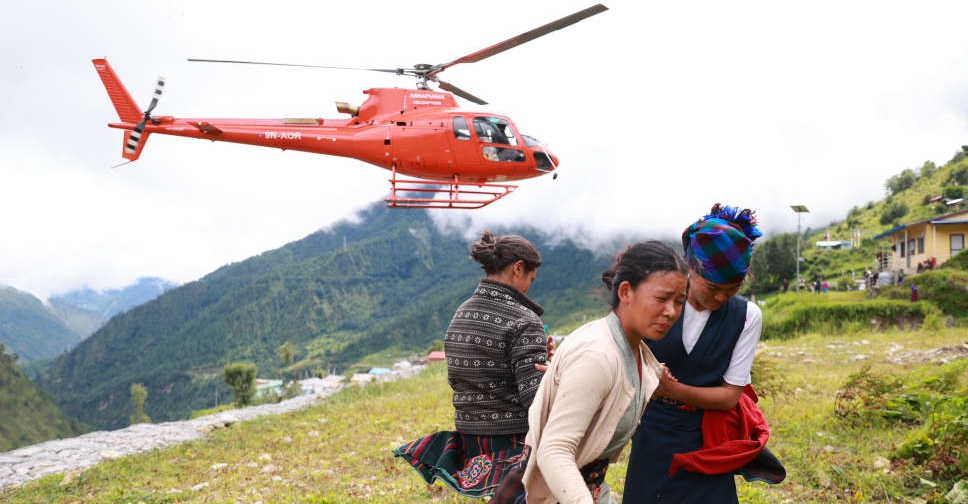 Hopes of finding survivors dim a week after catastrophic Nepal flood
 Defendant pleads not guilty in Charlie Kirk capital murder case
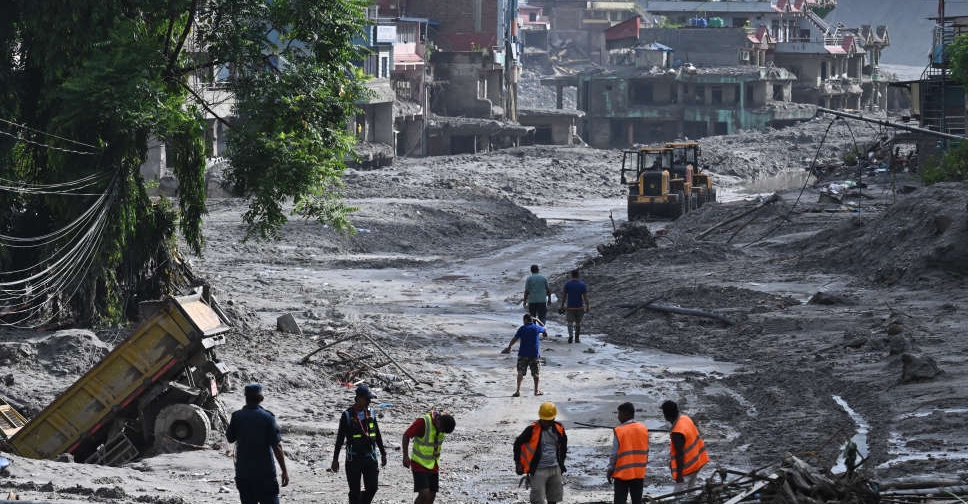 Nepal flood death toll crosses 1,000, rescuers reach remote areas