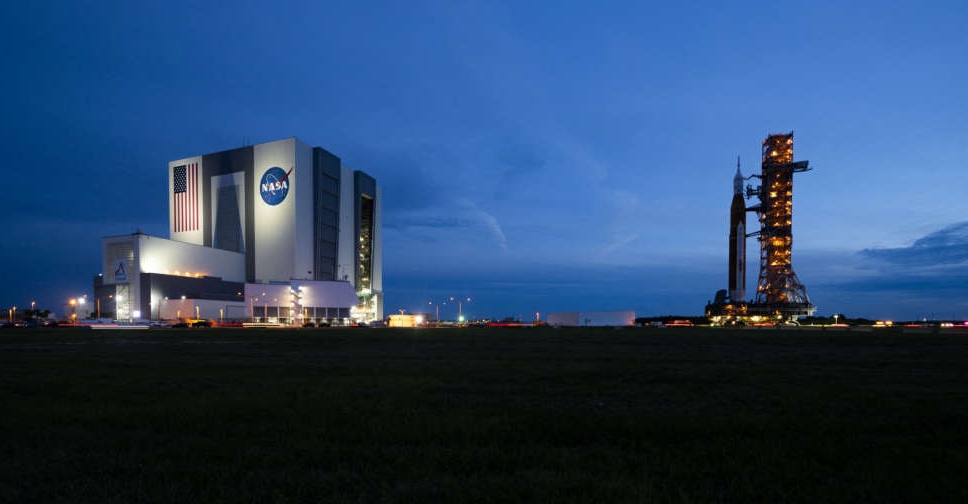
NASA is targeting November 14 for its next attempt to launch Artemis I, after technical difficulties and bad weather forced it to delay the first uncrewed test flight of a capsule to carry humans back to the moon.
The next attempt to launch the Space Launch System rocket that will carry the Orion spacecraft is planned during a 69-minute window that opens at 12:07 am EST (4:07 am GMT) on Wednesday, November 14, NASA said on its website.
The agency plans to roll the rocket back to the launch pad as early as Friday, November 4.
A stubborn fuel leak and the arrival of Hurricane Ian forced NASA to delay the launch of the uncrewed test flight over the last five weeks.
The Artemis I mission signals a major turning point for NASA's post-Apollo human spaceflight programme, after decades of focusing on low-orbit missions with space shuttles and the International Space Station.
Named for the goddess who was Apollo's twin sister in ancient Greek mythology, Artemis aims to return astronauts to the moon's surface as early as 2025, though many experts believe that time frame will likely slip.
Dozens of people have been injured and hundreds arrested, most of them teenagers, officials said, in a wave of French student protests against teacher shortages and dilapidated buildings that on Wednesday spread to more schools across the country.
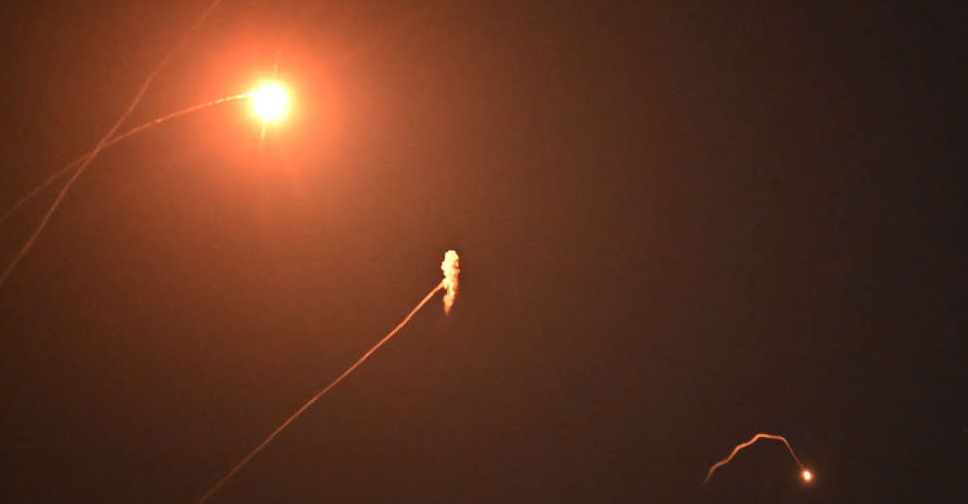
Russian drone and missile attacks on Kyiv and nearby areas killed four people, damaged energy infrastructure and shrouded the capital in smoke, Ukrainian officials said on Wednesday.
A shark stranded in a canal in the South Korean port of Busan has become the country's latest wildlife sensation, with the city saying about 600,000 people have flocked to see it over the past two weeks.


 Injuries and arrests as French high school student protests spread
 Russia hits power plants, kills four, leaves Kyiv under smoke
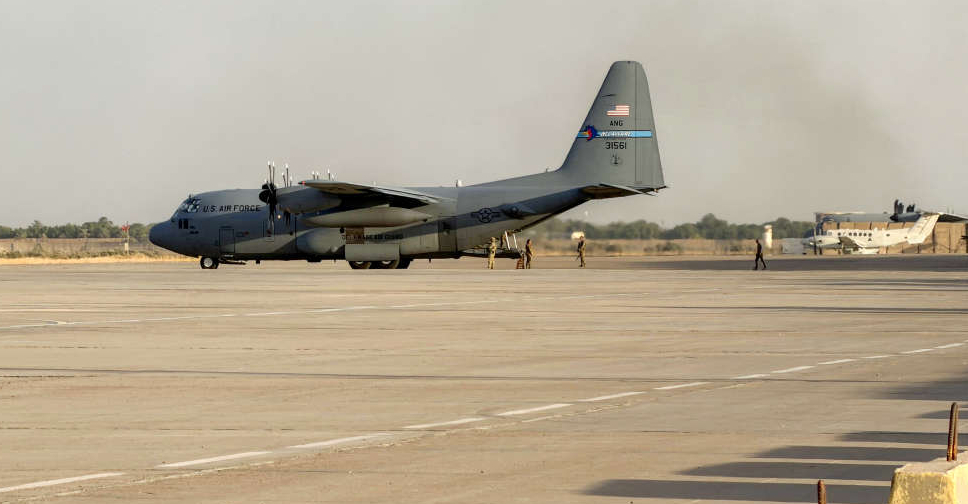 US forces exit remaining bases in Iraq
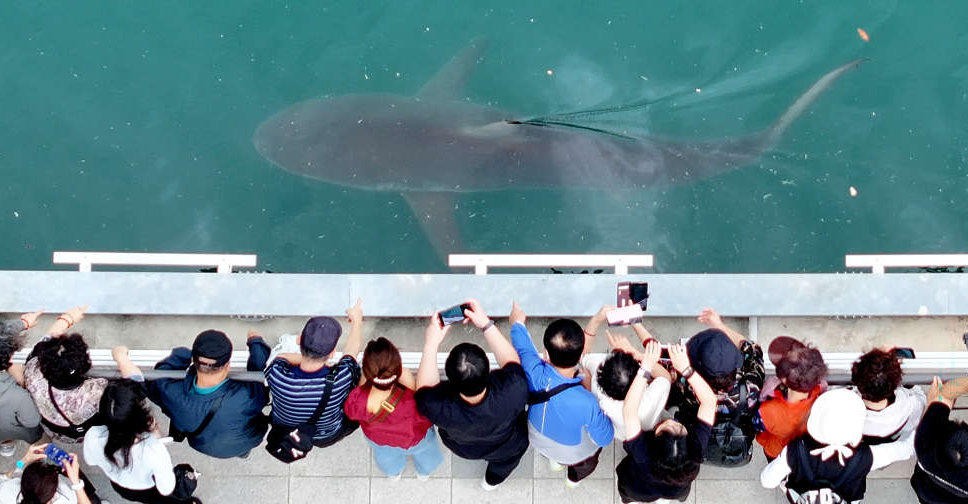 Shark stranded in South Korean canal draws 600,000 visitors as rescue bid fails
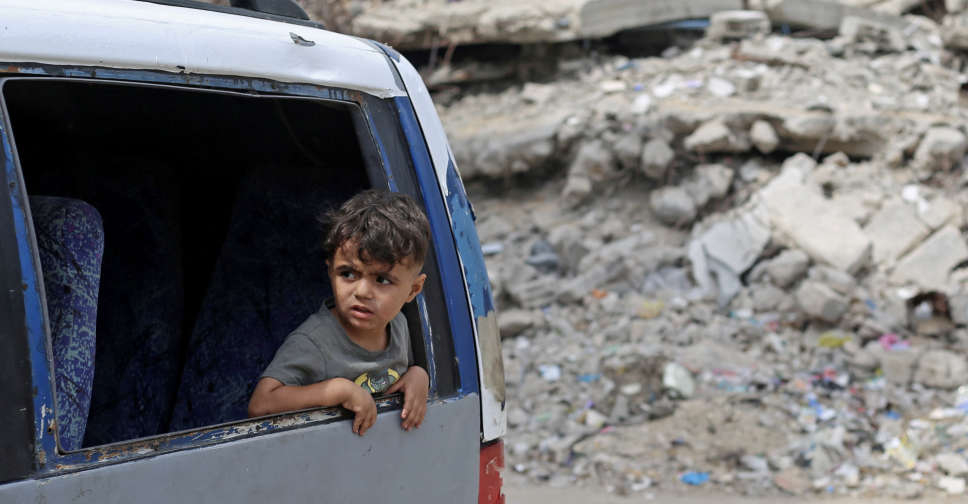 Israeli strikes kill five people in Gaza, medics say