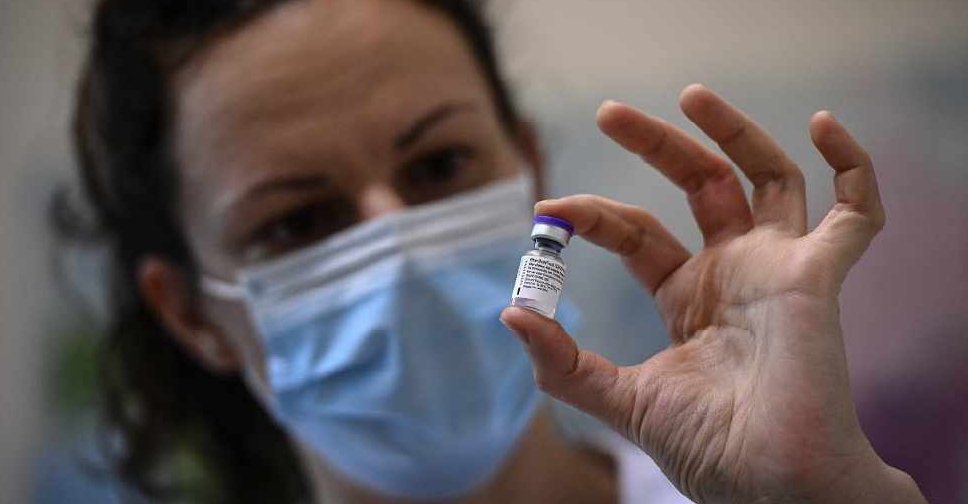
The COVID-19 vaccine developed by Pfizer and BioNTech was able to neutralise a new variant of the coronavirus spreading rapidly in Brazil.
That's according to a laboratory study published in the New England Journal of Medicine, which showed that patients who received a second dose of the COVID-19 vaccine showed stronger antibody protection.
The study, conducted by scientists from the companies and the University of Texas Medical Branch, looked at blood samples from 15 volunteers in Pfizer’s phase 3 clinical trial of its vaccine.
Their samples were then exposed to an engineered version of the virus that contained the same mutations carried on the spike portion of the highly contagious P.1 variant.
Further examination found that the antibodies were successful at neutralising the viral mutations.
In previously published studies, Pfizer had found that its vaccine neutralised other more contagious variants first identified in the United Kingdom and South Africa, although the South African variant may reduce protective antibodies elicited by the vaccine.
Pfizer has said it believes its current vaccine is highly likely to still protect against the South African variant. However, the drugmaker is planning to test a third booster dose of their vaccine as well as a version retooled specifically to combat the variant in order to better understand the immune response.


 Xi, Putin hail ties in video call as Ukraine war nears anniversary
 Israeli strikes kill 21 in Gaza, health officials say
 Nestle widens infant formula recall after France lowers toxin level
 UN Chief warns two-state solution slipping away amid West Bank expansion
 Pakistan sends helicopters, drones to end desert standoff; 58 dead